Hi, I'm Pushkar, currently designing the grocery experience at Uber Eats.
Hi, I'm Pushkar, currently designing the grocery experience at Uber Eats.
I’m fascinated by shaders, tiny GPU programs influencing millions of pixels simultaneously, mathematics expressing itself as art.
Drag the disc or Shift + drag the card to rotate in 3D.
Gaussian Splat reconstructed from a handful of photos using Apple's SHARP model.
Rendered in the browser as ~500k animated particles. A custom WebGL shader samples each splat's position and color, then a GPGPU compute pass adds a flow-field drift, decay/respawn, and cursor-driven deflection — so the reconstruction breathes instead of sitting still.
Use the arrows to swap scenes — particles morph between them in place.
Light-guided picking with electronic shelf labels
Remove distraction
Replicating Safari's remove distraction feature
Sprite particles
SpriteKit powered particle system
Sprite particles
SpriteKit powered particle system
Clouds shader
Procedural cloud simulation in Metal
Distortion effect
Mesh distortion with chromatic aberration
Distortion effect
Mesh distortion with chromatic aberration
Filmstrip scroll effect
35mm film strip in Metal
Bouncy particles
Physics-based particle system
Share image
Dynamic share sheet preview
Background remover
Background removal using apple's Vision framework
SwiftUI prototypes coming soon.
Work
Uber Eats
Lead Product Designer
2021 — present
Walmart
Senior Product Designer
2019 — 2021
Startup
Product Designer (Contract)
2016 — 2019
Findability Sciences
Software Engineer
2015 — 2016
Patents
Dynamic Data Object Distribution Based on Historical Performance
US20250278775A1Pending U.S. patent application
Details confidential until publication.About me
I'm a product designer interested in prototyping and interaction design. I used to prototype a lot with Origami Studio, now I mostly prototype in Claude & Codex...
When I'm not designing
I like to play video games, I've 100%'d Sekiro and unlocked Peacekeeper in BF1 (with the help of codex 😅). I've spent thousands of hours playing Counter Strike.
I also like to read books, not as much as I want to, and I definitely buy more books than I can read. Currently reading - To stand with the Nations of world: Japan's Meiji restoration.
Grocery shelf tags that light up so shoppers stop hunting for items.
Uber Eats, 2026. Now live.
Shoppers miss items all the time, not because the store is out of stock, but because they can't find them. A shopper picks more than 50 items a day, often in a store they don't know, for products they've never bought.
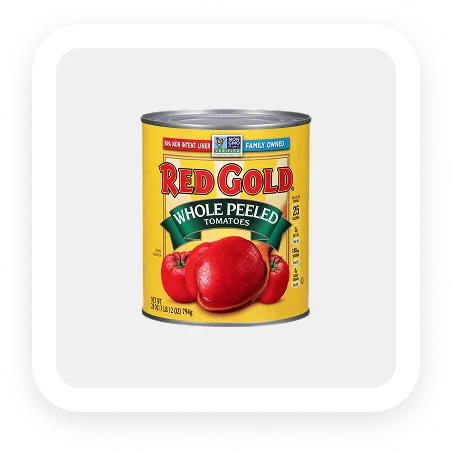
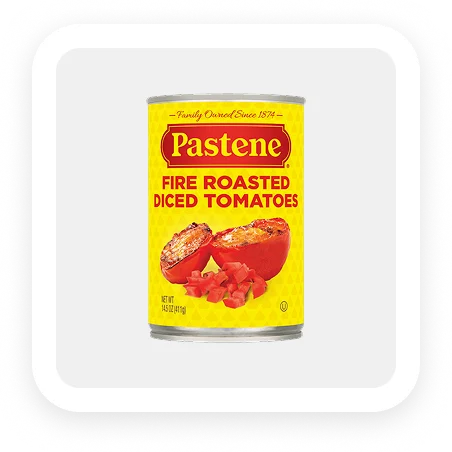
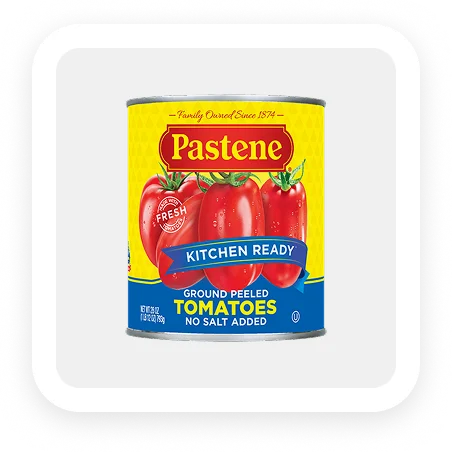
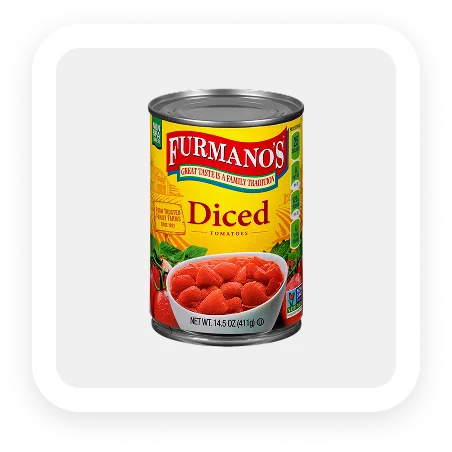
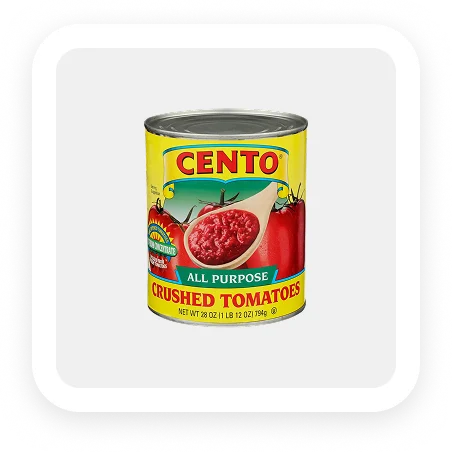
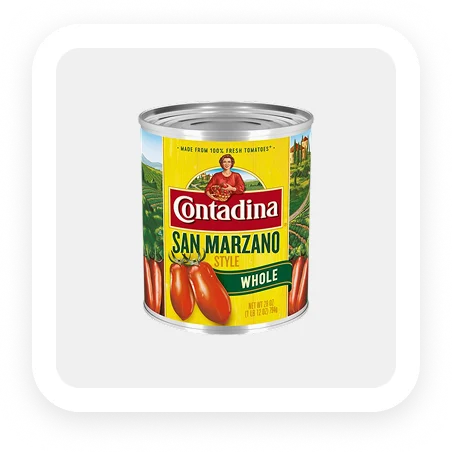
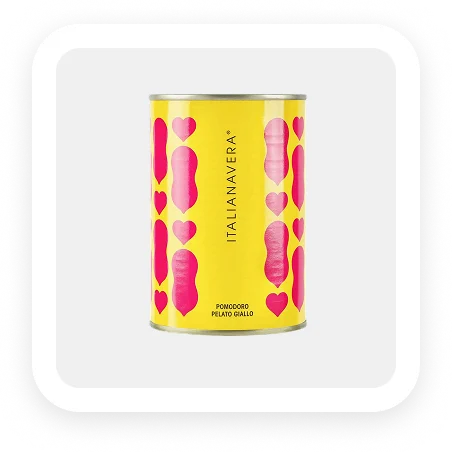
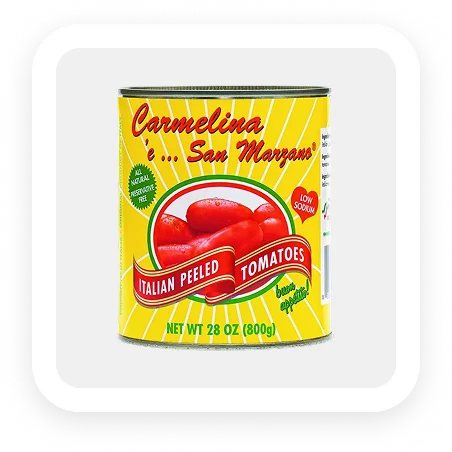
The hard part isn't finding the aisle. It's knowing which of 80 nearly identical cans of tomatoes to pick. Every miss means a substitution, a smaller basket, a worse experience.
Before the final design, I explored where the control should live.
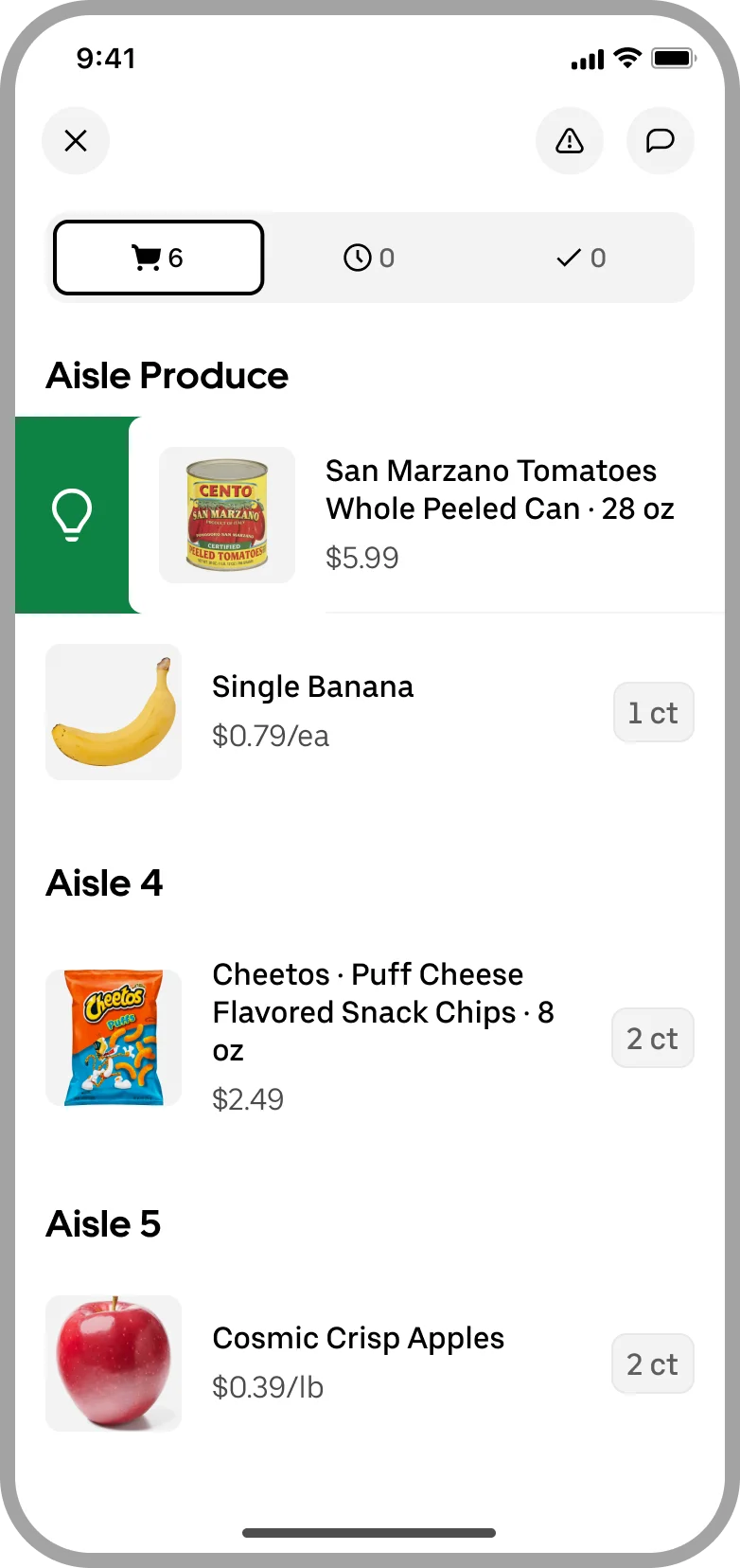
A swipe on the item lights its tag. Fast, but hidden from new shoppers.
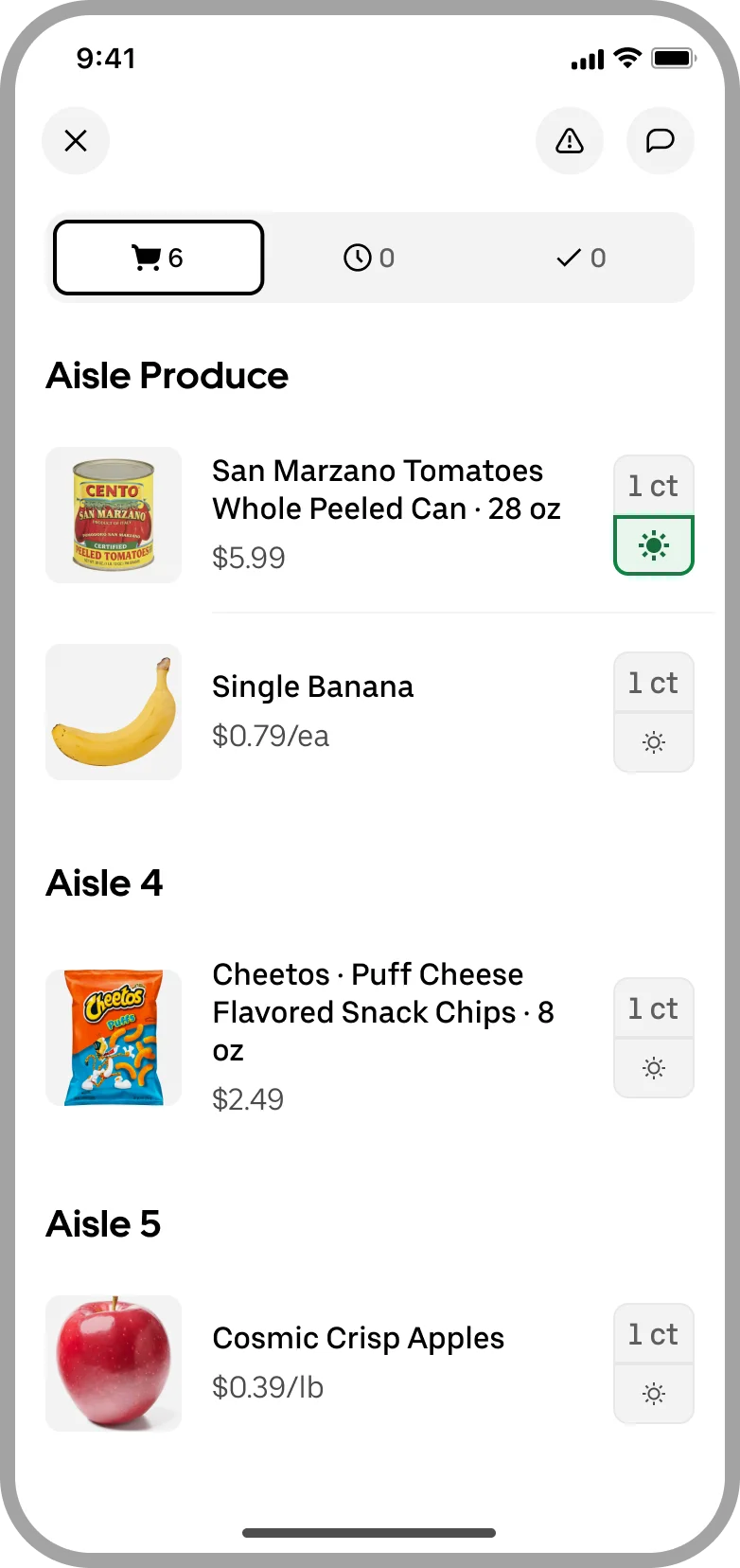
A light button under each quantity. Out of context, since shoppers pick one item at a time.
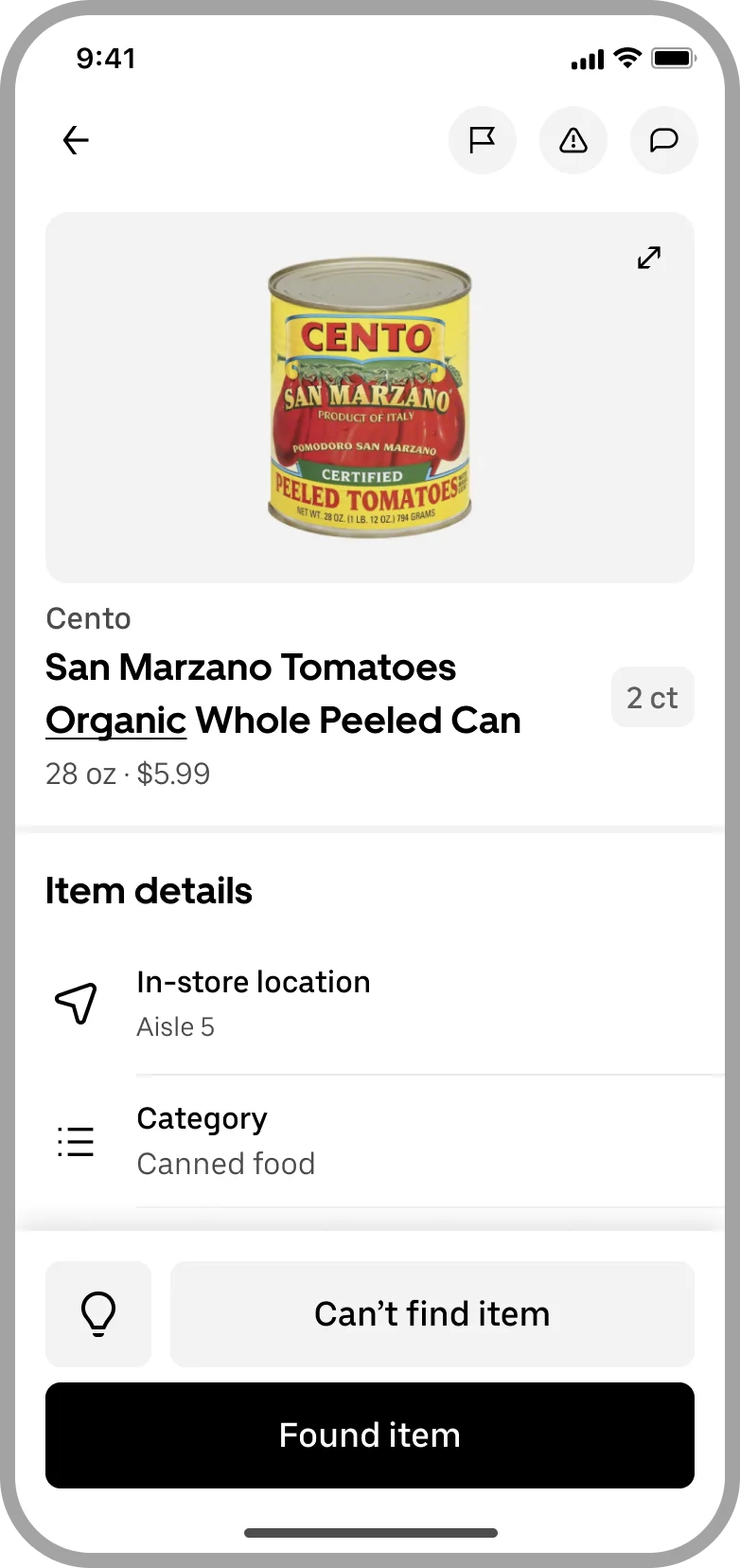
A lightbulb button next to Can't find item, on the page shoppers already open to scan. The right page, and the starting point for the final design.
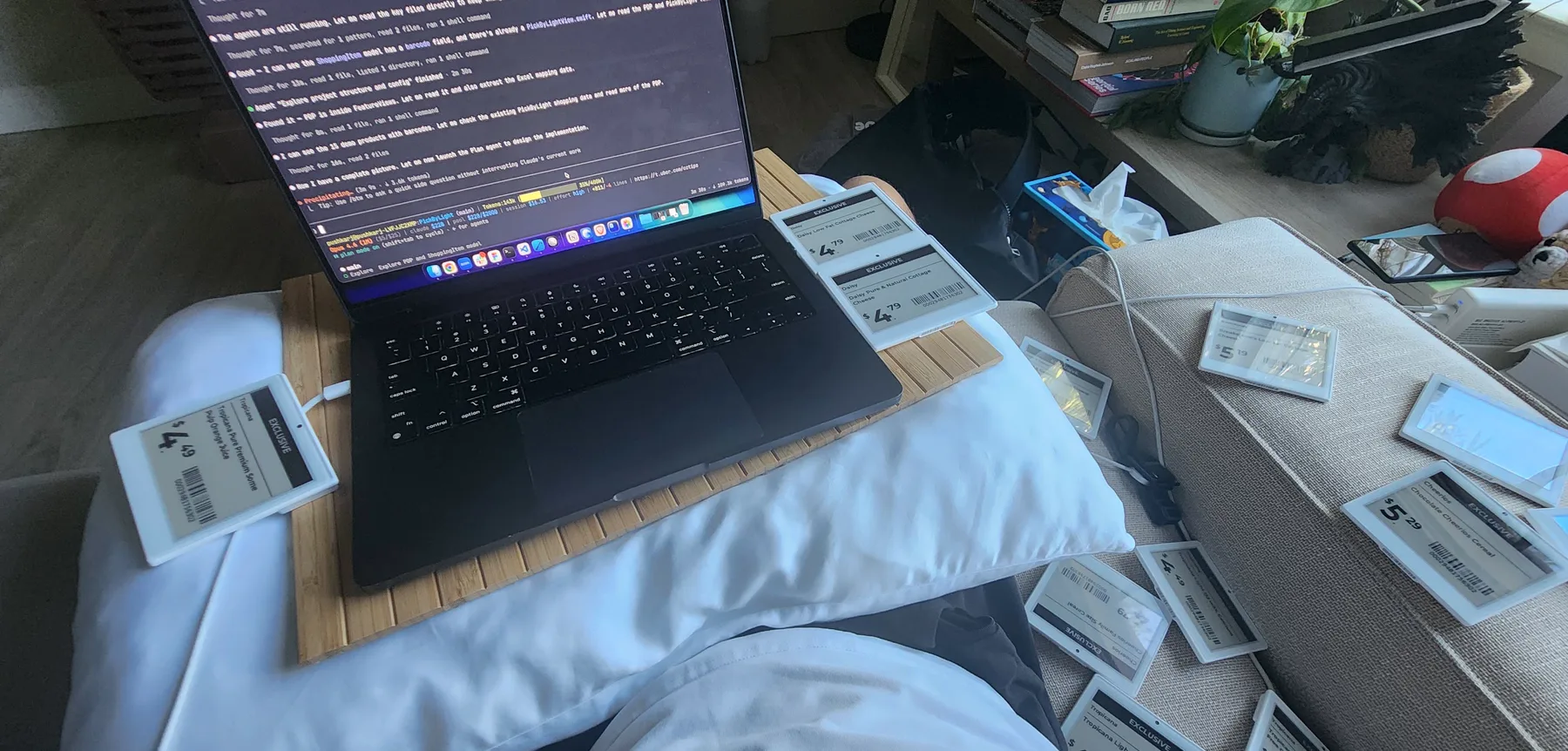
Many stores already have electronic shelf labels, each with a small LED that can be turned on remotely. We connected them to the shopper app. When a shopper opens an item's product page, its shelf tag lights up on its own, with nothing to tap. It flashes so it stands out on a crowded shelf, then turns itself off after a set time to save battery.
A small button on the product photo shows the status: a spinner while the tag turns on, then a pulsing dot in the same color as the LED on the shelf. Once the light times out, the dot turns grey and a tap lights the tag again.
The motion follows Base, Uber's design system. The pill only changes width, and its label fades before the edge moves, so text is never clipped.
To see it working beyond the screen, I built a SwiftUI prototype connected to real shelf labels. It let us try the whole flow end to end and check how two colors look when tags light up side by side. We later presented a live demo of the feature at Only on Uber.
Measured with a major US grocery chain in summer 2026, the item found rate went up 75 basis points, the fulfillment rate went up 27 basis points, and the average order value went up by about $1.
+75 bps
Item found rate
+27 bps
Fulfillment rate
~$1
Higher average order value
“The best thing since night baseball!”
“You don’t need to press the button, it automatically activates on its own when you click the item screen & starts pulsating green.”
“Found a 20 item order in 15 minutes”
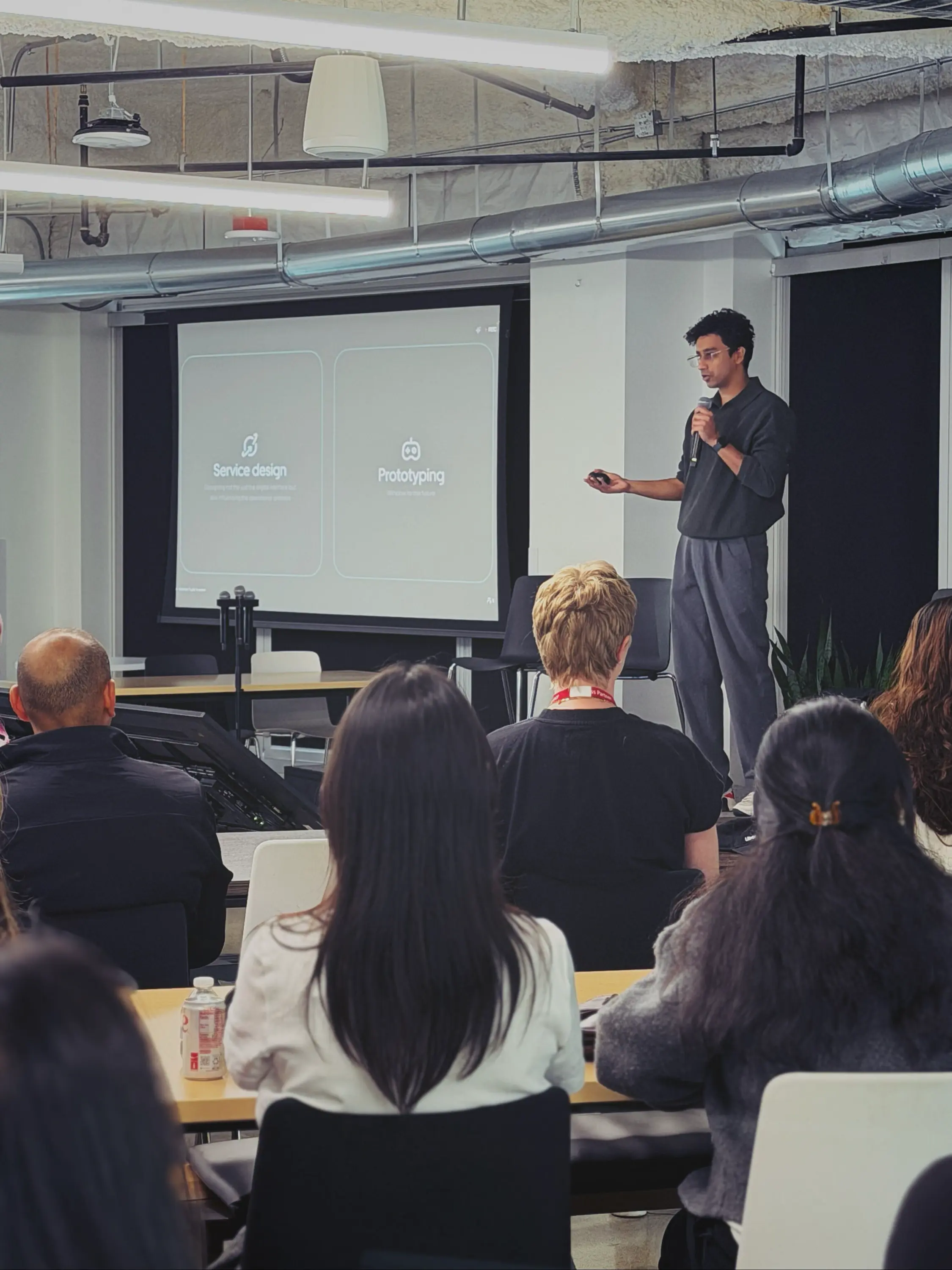
I presented this project as a lightning talk at Uber Design Night in Seattle, on the evening's theme, Beyond the Screen: the shopper's trip through the store, the moment of finding an item, and how shelf tags and the app work together.